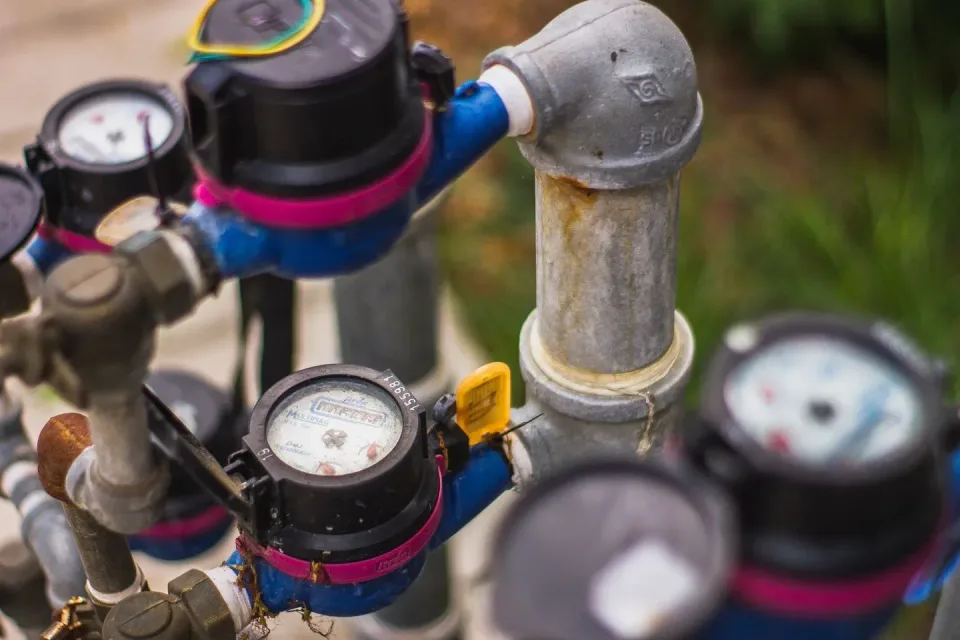
Why Has Water Pressure Suddenly Dropped at Home?
A sudden pressure drop at several fixtures often points to a shared supply problem, not a single faucet. Check whether the change affects hot and cold water, and whether every floor is affected. Small clues matter.
Near the Connecticut River, a home’s location alone does not identify the fault; compare fixtures before assuming a local supply issue. At the Connecticut Convention Center, building water systems serve many users; in a home, a whole-house change likewise calls for checking shared equipment. We test before recommending a repair.
What can make pressure fall throughout the house?
When pressure suddenly drops at several taps, start by checking whether the change is whole-house or fixture-specific. A partly closed main shutoff, a regulator problem, a leak, a restriction, or a supply-side change can affect multiple rooms. A clean faucet aerator does not rule out a problem farther upstream.
We compare pressure with fixtures off and while water is running. Those readings help distinguish a low starting pressure from a pressure drop under demand; that difference guides the next inspection instead of prompting a guess.
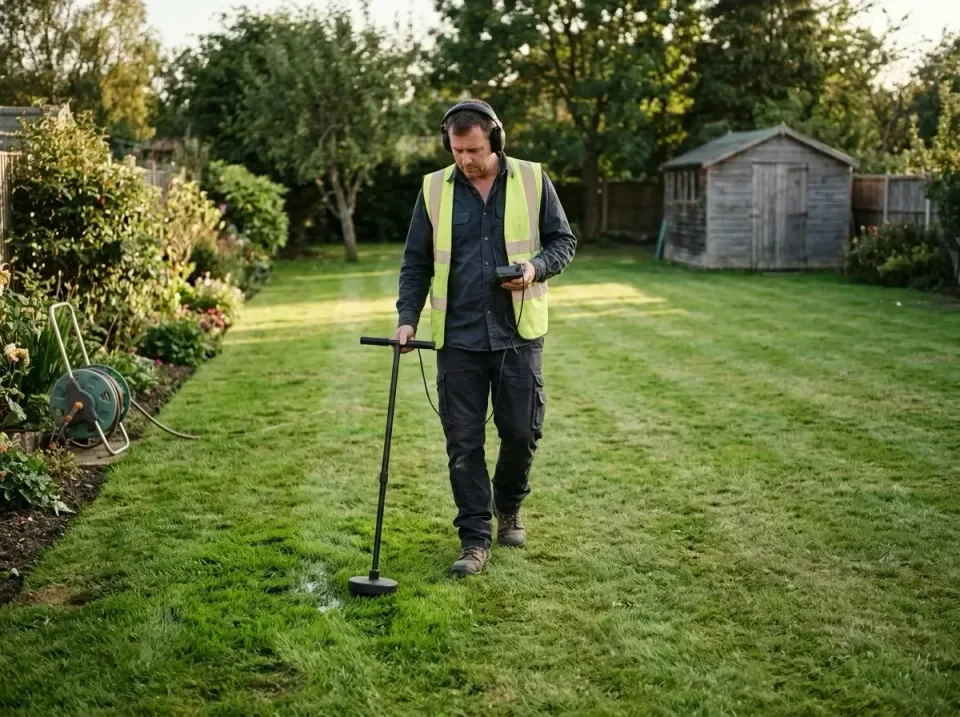
In Connecticut, spring rain can saturate soil around buried water lines, so a new wet patch or unexplained damp area deserves attention. Near the University of Connecticut in Storrs, a homeowner noticing several weak fixtures should record which ones are affected and whether the change persists after other water use stops.
Could weather or a private well be involved?
A private well can struggle during drought, so a sudden change in flow may coincide with other signs such as a pump that runs differently than usual. Do not adjust pump controls based only on a hunch; the pump, switch, and tank need to be assessed as a system. If the pressure problem affects several fixtures and the pump cycles rapidly, arrange a professional check.
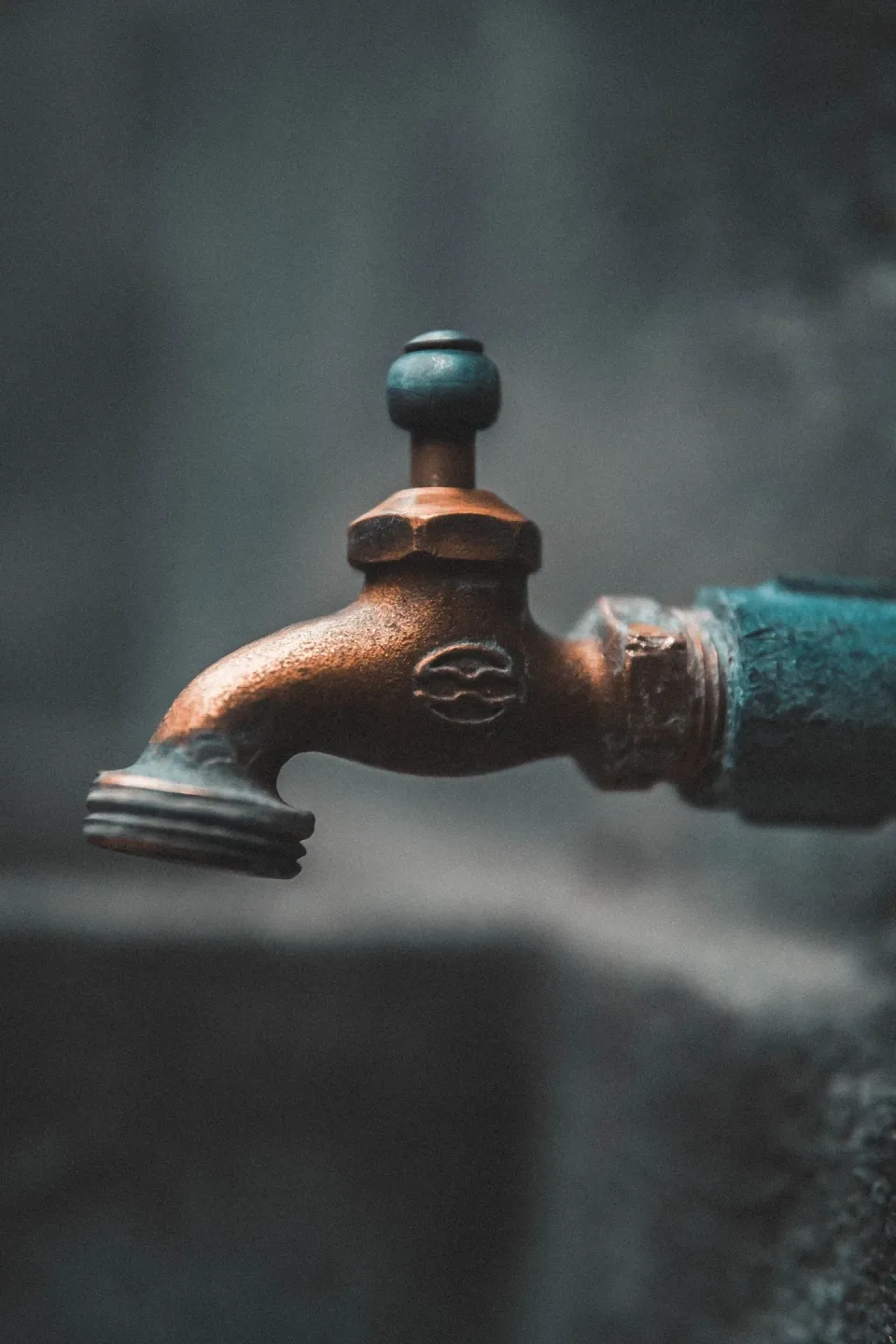
Repeated freeze-thaw cycles can stress exterior plumbing, and hard freezes can damage exposed hose bibs. Look for visible drips, wet soil, or damage at exposed fittings, but avoid digging or opening pressurized equipment yourself.
Around Bradley International Airport in Windsor Locks, winter exposure is a practical reason to include accessible exterior plumbing in a careful inspection. A problem that starts after a freeze still needs testing to locate its source.
When is a homeowner check enough?
You can safely confirm that accessible shutoff handles are fully open, check whether the issue affects one fixture or several, and note whether hot and cold water behave differently. Stop there if you find a leak, hear unusual pump operation, or cannot identify a valve confidently. Never force a stuck shutoff; a damaged valve can turn a pressure concern into a leak.
If only one tap is weak, the fixture or its supply may be the narrower issue. For multiple affected rooms, our crew checks accessible system components and explains the findings before proposing work. We protect nearby floors and confirm pressure after repairs.
Which repair fits the pressure problem?
The right repair depends on what testing shows. A regulator fault differs from a blocked or deteriorated line, and a well-system issue calls for checking its pump and tank rather than adding equipment by default. We inspect the point where the pressure changes and consider the home’s piping and access before recommending a repair.
In older Connecticut homes, the condition of existing pipe can matter as much as the pressure reading. If a line is restricted or deteriorated, simply increasing pressure may not address the cause.
A booster pump is not a universal fix; it is appropriate only when the supply conditions and system design support one. We take time to explain what the evidence points to in plain language.
Which Repair Fits a Sudden Pressure Drop?
When every tap is weak, the first decision is whether the cause is shared, well-related, or limited to one area. Coastal areas often have milder winter temperatures, but that does not rule out weather-related trouble.
After coastal storms threaten shoreline properties, check for new damp areas or visible line damage rather than assuming the pressure change is a fixture issue. Heavy snow can also block access to an outdoor shutoff, so keep that area clear when it is safe.
A home near Lake Compounce in Bristol may have a different plumbing setup from a shoreline property; the test findings, not the landmark, determine the repair.
| Option | Best for | Key detail |
|---|---|---|
| Whole-house pressure diagnosis | Several fixtures lose flow | Compare readings with fixtures off and running |
| Regulator replacement | Regulator is not controlling pressure | Incoming pressure may be excessive |
| Booster pump repair or installation | Supply pressure is inadequate and system supports a pump | Equipment ranges from fractional to multi-horsepower |
| Well pump or tank repair | Well system pressure or cycling problem | Tanks commonly range from 20–80 gallons |
Ask what measurements support the recommendation and whether the repair addresses the cause.
How Should You Prepare for a Pressure Check?
A little preparation helps us test the system without disturbing more of the home than necessary. Keep the work area accessible. In winter, frozen ground can complicate water-line repairs, so share any known leak location or prior digging before work is planned.
-
Note the symptoms: List which rooms and fixtures have weak flow, and whether hot and cold water are both affected.
-
Clear access: Move stored items away from the meter, shutoff, regulator, or well controls that may need inspection.
-
Protect the work area: Move valuables and place a clear path to the plumbing; tell us about delicate flooring or stored items nearby.
-
Plan water use: Let household members know testing or repair may require a temporary water interruption.
-
Leave equipment alone: Do not open pump controls or adjust electrical equipment; tell the plumber if access is near a damp area.
If exposed piping is involved, mention it before the visit. Cold winters can put exposed pipes at risk of freezing, so report any recent freeze damage you have noticed.
When Should You Call for Sudden Low Pressure?
If several taps lose flow at once, or the change continues after you check accessible shutoffs, arrange a professional assessment. A Nor’easter can bring heavy rain, wind, and snow, so tell us if the pressure change began around a major storm; that timing may help focus the inspection.
Near Seaside Park in Bridgeport, a homeowner should also mention any visible line damage or damp ground rather than relying on location alone. The New Haven Green is another Connecticut landmark, but wherever you live, the useful next step is the same: describe the symptoms and what changed.
Contact Connecticut Plumbing Pros at (877) 773-0781 to schedule water pressure testing; we will explain the readings and practical repair options.